

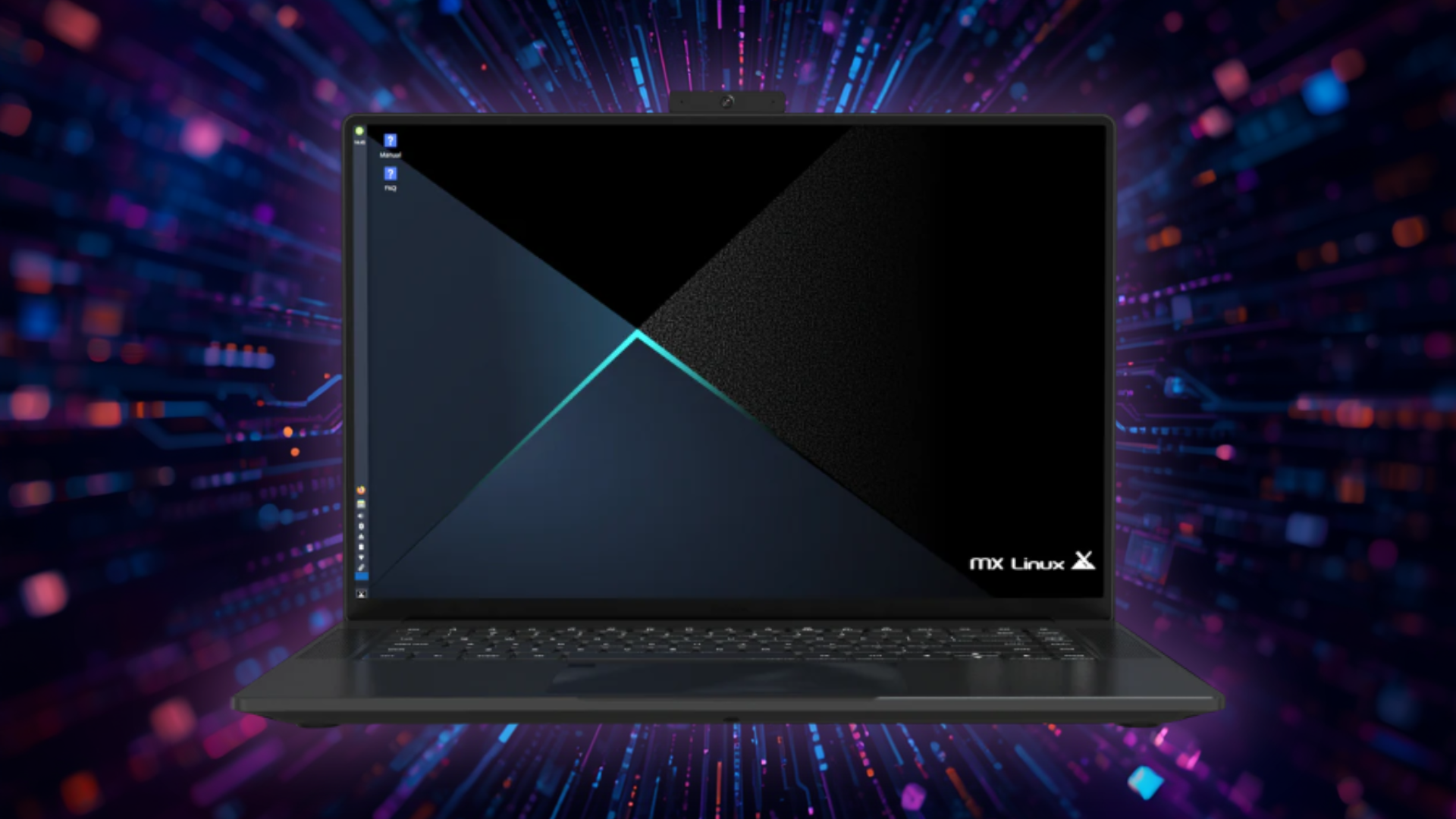
Star Labs Systems, a UK-based Linux hardware startup, has finally launched the StarFighter laptop — a high-performance laptop built with premium materials and designed primarily to run a Linux operating system.
Star Labs Systems, a UK-based Linux hardware startup, has finally launched the StarFighter laptop — a high-performance laptop built with premium materials and designed primarily to run a Linux operating system.
And like that, any interest I had in that system is gone.
In 2026, it’s unforgivable for any system to have soldered components. I’m not about to spend premium pricing(in this case it’s almost $1900 USD starting) on a system that if a ramstick dies I have to replace the entire main board.
The laptop was announced back in 2022, they’ve had some problems with suppliers which is why it’s a bit odd for a 2026 laptop.
yea even for a 2022 that’s a bit odd if you ask me. At least they eventually launched instead of folding though.
there was an awkward period around then when processors wanted the ram to be as close as possible (making sodimm a poor choice) and CAMM didn’t exist yet.
Yeah that’s a no for me.
Especially when Framework exists, and to a lesser extent, Valve’s hardware.
Uhhh…Framework literally makes soldered RAM desktops. They did it because replaceable RAM simply can’t meet the same performance.
Framework also has used soldered RAM in the past. Getting their newest model to use modular RAM was quite the boast.
yeah, like I always thought that the framework was a little steep on pricing(Although compared to this…) , but at least you get the ability of cold swapping parts out.
While I’m with you, there is one advantage: RAM can work on higher speeds when soldered and few actually upgrade it when not soldered.
I agree with that. My issue isn’t upgrading it, It’s a laptop. It’s unlikely I would upgrade it anyway just because of the compact design. My issue is strictly the repairing/replacing a damaged component point of view. Soldered components easily turns a repair job from “does this person have access to YouTube?” to a “do I still know a shop that’s willing to still use a soldering iron?”
A soldering iron isn’t going to get the job done for high density BGA packages. Example chip:
All those dots are balls of solder. The chip needs to be placed on the board in exactly the right position and orientation, and then the whole thing placed in a reflow oven so that the solder balls can melt and flow appropriately without bridging any connections.
Doing this at home without the right tools is essentially impossible. With the right tools, it’s merely quite difficult. Reflow soldering takes experience and carries the risk of damaging other components on the board which may not survive the temperatures in the reflow oven, so need to be removed first. Plus the reflowing procedure itself is guided by a temperature profile which would have been developed through experience in the factory with specific adjustments for the thermal characteristics of this board. Get the profile wrong and you may break other connections when the solder fails to flow, or have other chips on the board come loose.
Yep, true, soldering really kills reparability for most.
Surface mount rework station
Yeah, thats true but framework solved this with LPCAMM2 modules, which have much higher write speeds that sodimm. And just because “few actually upgrade it” doesnt mean all ram should be soldered, as having unsoldered ram caters to a completely different consumer market.
Didn’t they go with soldered RAM with their desktop PC, though?
They did but there was no alternative for the “AI Max”, it has much higher requirements for bandwith than traditional CPU RAM. They were investigating the possibility for LPCAMM2 or LPCAMM for that system but it was not feasible to maintain that bandwith while retaining data integrity. For the Desktop it was the right choice. It was designed for local inference applications and there the memory bandwidth is absolutely crucial.
For the new Framework 13 Pro however with an Intel based SOC they have now successfully implemented LPCAMM2.
I think so, because that was during the peak of the ram shortage, and LPCAMM2 was barely produced then.
If they use CAMM that’s no longer the case.
https://en.wikipedia.org/wiki/CAMM_(memory_module)
I understand, but I had to trash a great laptop because the soldered ram died. Never again.
Yeah. That’s really bad.
If you took it to a place that does board repair place I’m sure they’d replace it for you.
In Australia there’s a company called microtec engineering.
We send crane to boards and displays etc to them for repairs.
10k for a new component or 2k to freight repair and return.
And often a life saver on machines that are so old the manufacturer has discontinued parts.
We had that repaired last year by them.