

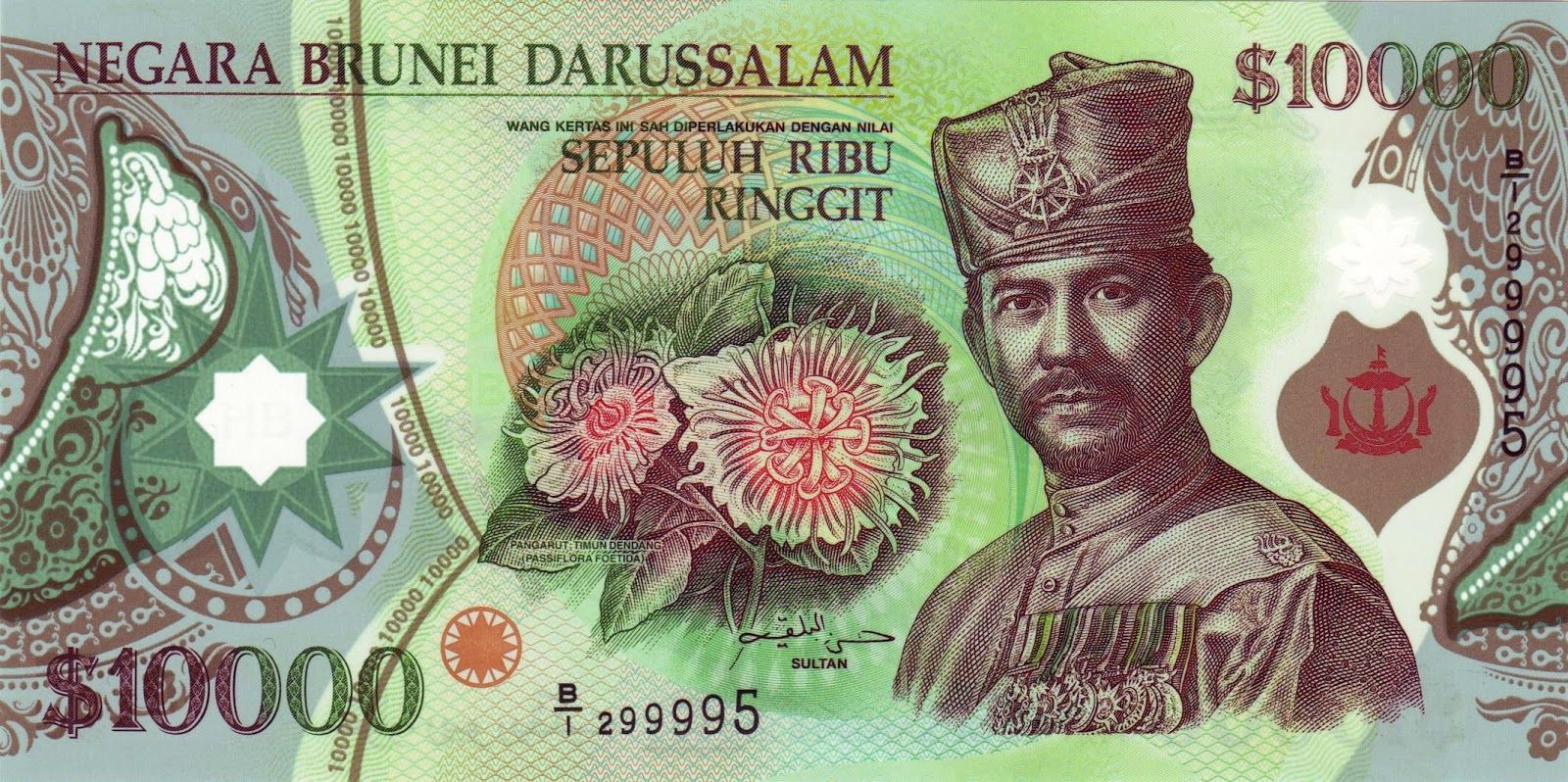
I mean, the 100 USD bill is NOT the highest valued bill in the world, that belongs to the former B$10000 bill (withdrawn) from Brunei (I’m serious, this exists) which is worth $7874 and yes it’s a single bill, also converting to around £5803 & 6677€ respectively. Like why does this bill even exist when it’s hard to encounter, given that Brunei is a petro-state, it comes as no surprise.
The second highest valued bill is Fr. 1000 ($1278) or £942 & 1084€ which isn’t a surprise for Switzerland to have that due to how expensive it is over there. But, it’s difficult to obtain even in Switzerland and has advanced security features making hard to counterfeit due to its high value (x12 times of $100) but they sell stuff that’s over Fr. 1000 anyway so it makes sense for them to have that.
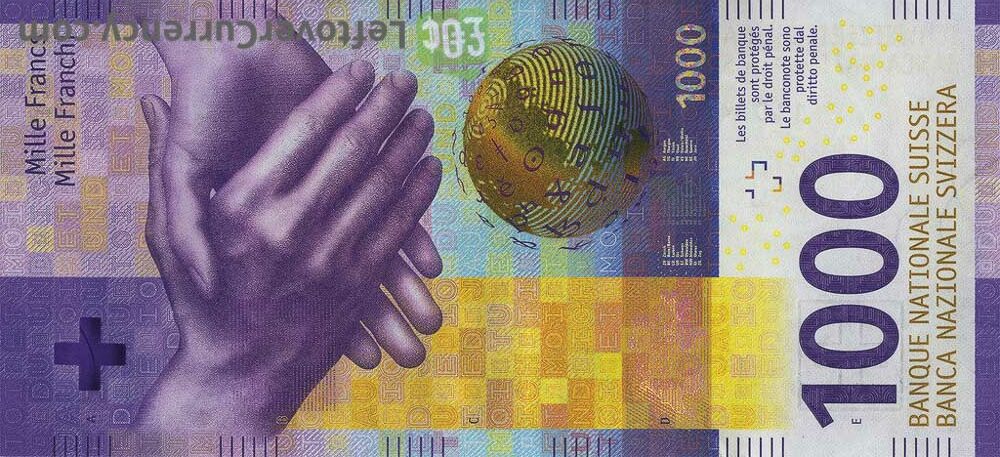
The reason why they are barely featured in crime movies or mentioned in real crimes relating to counterfeit money is because of their obscurity and the fact that they don’t know both exist (but it does, although either really hard to get your hands on it or ceases to circulate) however still retains their face value. The Swiss Franc is deemed a “safe haven” currency while the US Dollar isn’t.
A big part of the reason is that $100 notes are rarely handled by most people, even among cashiers. So the recipient of the counterfeit is less likely going to be familiar with the designs on the bill, and less able to identify imperfections. Cashiers handle hundreds of $20 bills every day, but might get a $100 bill once every six months (if ever) depending on where they work.
Another big part of the reason is that if you manage to break a counterfeit $100 bill for a $10 purchase, you’re going to get $90 in real money back from the cashier. This is the main point of counterfeiting for most people; to turn the fake money into real change from purchases. You don’t just want to buy your weekly groceries with the counterfeit, you want to “buy” something and get free money out of it. So a $100 bill helps to min/max that process, while offering a lot of flexibility in where and how you choose to “spend” it.