
Solar energy has a simple but annoying weakness. It disappears when the sun does. Even the most efficient systems struggle with this basic reality—no sunlight means no power. Scientists have long tried to fix this by storing solar energy as heat, but doing it efficiently has proven tricky.
Most designs rely on stacking different materials together—one to absorb sunlight, another to store heat, and then another to protect the system. These layers don’t work seamlessly, wasting energy at every boundary.
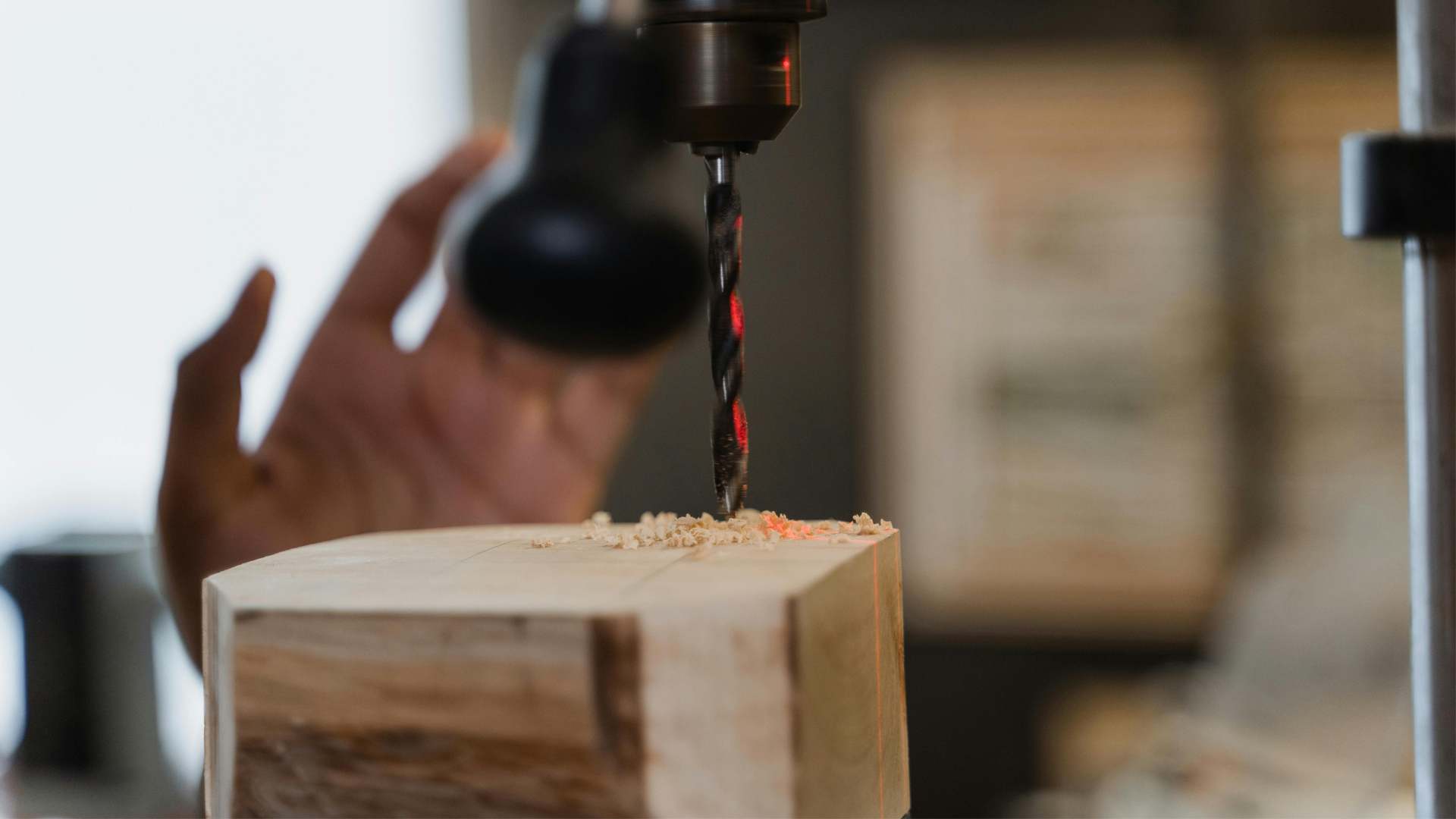
Now, researchers have taken a very different approach to overcome this problem. Instead of assembling multiple parts, they’ve turned wood into an all-in-one solar energy system.
By redesigning its internal structure at the nanoscale, they’ve created a material that can absorb sunlight, store it as heat, and keep generating electricity even after the light is gone.
Oh that’s cool.