

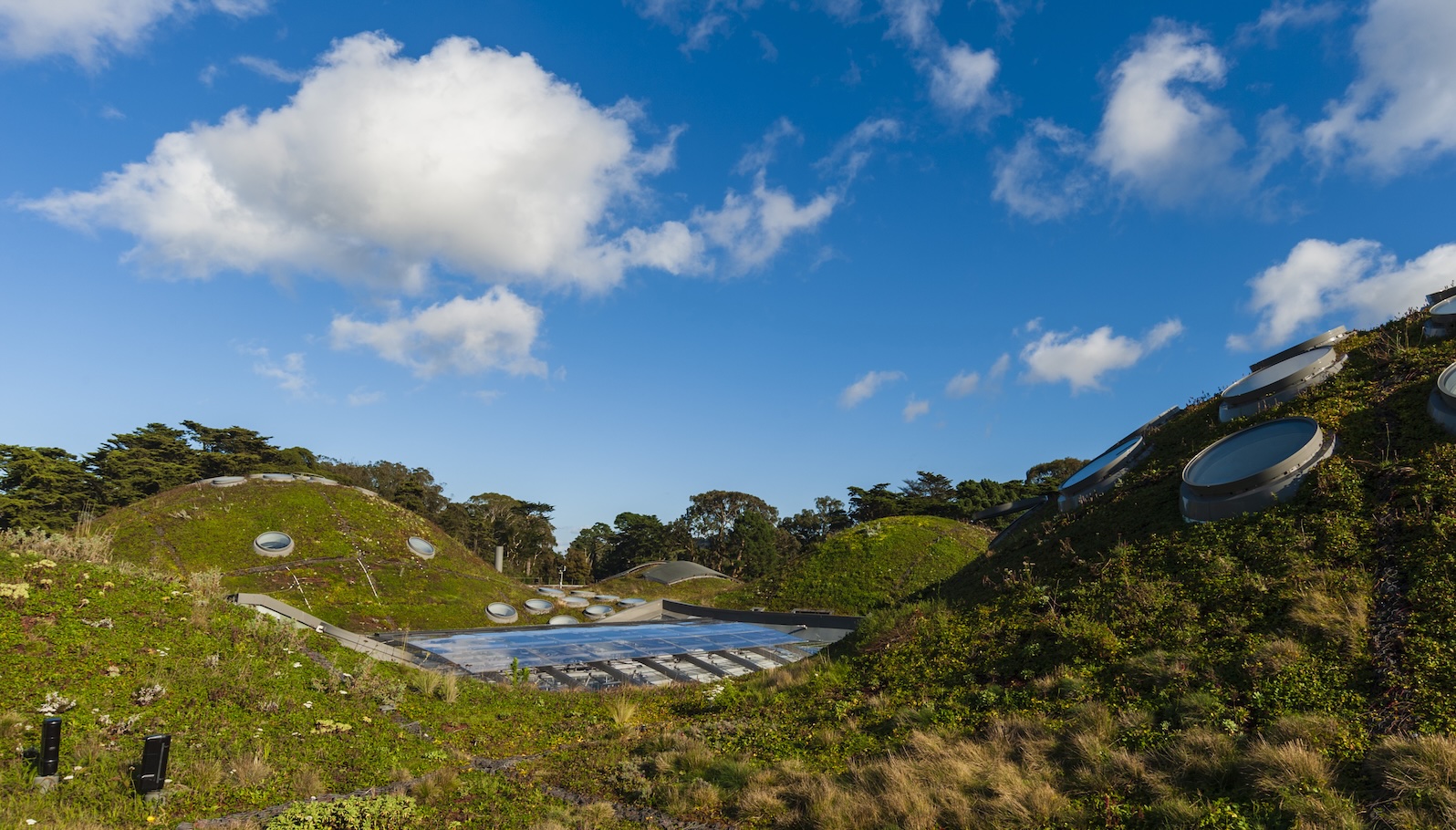
It is untapped for countless good reasons. Solar panels on the other hand are along the lines of the trouble of a tiled roof. Makes things more expensive but doesn’t actively try to rip a hole through the water barrier.
I don’t get green roofs. How do you make it so you won’t have water infiltration and leakage?
Same as with the rain. Have a waterproof barrier between the plants and the house. Sod, thatch, terracotta, asphalt, plastic, even concrete if you don’t plant rock-breaking plants.
I like the idea, but the years of dealing with leaking water have made me very skeptical…
I have a rooftop garden. Keeps my room cool, and I get all the herbs and veggies I want. But then, my house is brick, mortar, and RCC, so water isn’t a problem. I have not yet seen it have any effect in terms of seepage, tbh. The only thing someone might be worried about is weight, but then, soil is only half again as heavy as water, and you don’t need more than a foot for growing good crops.
I needed a new roof a couple years ago. Only 1 roofer in my whole city offered vegetated roofs. He only had experience with commercial installations, not residential.
So indeed there is a shortage. No idea why roofing companies are not on the ball with this.
This may sounds crazy but hear me out: planting gardens in the ground, putting solar panels on roofs, not the other way around.
The articles does mention another option:
growing crops under solar panels, a burgeoning field known as rooftop agrivoltaics
That sounds interesting. I hope the cost is going to be studied. Growing vertically and on rooftop can be worse in some ways. More energy intensive if there’s a need for irrigation that requires more pumps to bring extra water to rooftop. More material intensive if the weight of soil require more concrete and steel so the building can support it.
Roofs are not good places for solar panels, I’ve heard. I’m struggling to recall exactly why, but I think it’s factors like if you have sun-tracing motors, they are normally installed on a pole which is top-heavy with a motor. The pole penetrates into the ground quite a bit. And when there is a hail storm you want to be able to cover up panels which requires quick access. So in short roof installations make sun-tracing impractical especially if the roof is pitched.
The article did not give any detail on /why/ a vegetated roof is better for heating and cooling the home, but I would expect the plants to effectively add to the insolation in the winter and in the summer there would be an evaporative cooling effect on the roof.
How deep is the soil on roofs typically?